Dr. Karan Kukreja
About
Expertise
Procedure
reviews
Why Us
FAQs
Contact Us

Advanced osteoarthritis or rheumatoid arthritis not responding to medicines or physiotherapy
Severe joint pain and stiffness limiting daily activities
Deformity due to arthritis
Post-traumatic arthritis
Failed previous implants or surgeries (revision surgeries)
Hip fractures in elderly not suitable for fixation
Non- fixable shoulder fractures or non-repairable massive cuff tears in the elderly
Total knee replacement (single & bilateral)
Robotic joint replacement
Partial knee replacement (unicondylar)
Total hip replacement (cemented / uncemented), hemireplacement arthroplasty
Revision knee and hip replacement
Shoulder replacement, reverse shoulder replacement arthroplasty
Pre-op evaluation: Clinical assessment, complete blood tests, heart/lung clearance, x-rays, x-ray scannograms to measure limb alignment
Surgery: Usually 1–2 hours under regional anesthesia
Hospital stay: 3–5 days with early mobilization
Rehab: Walking with support starts next day, home-care physiotherapy continues post-discharge
Recovery: Complete independence and return to normal daily activities in 3-4 weeks
High success rates worldwide
Restores independence and mobility
Long-lasting modern implants
Minimally invasive / robotic options available
Special techniques for post-operative pain relief
Exclusive ultra-modern operation theatres for low complication rates
Frequently Asked Questions
Case Studies
Condition:
67-year-old female with knee pain for one year and severe pain with inability to walk for the past one month. Status post total knee replacement 11 years ago.
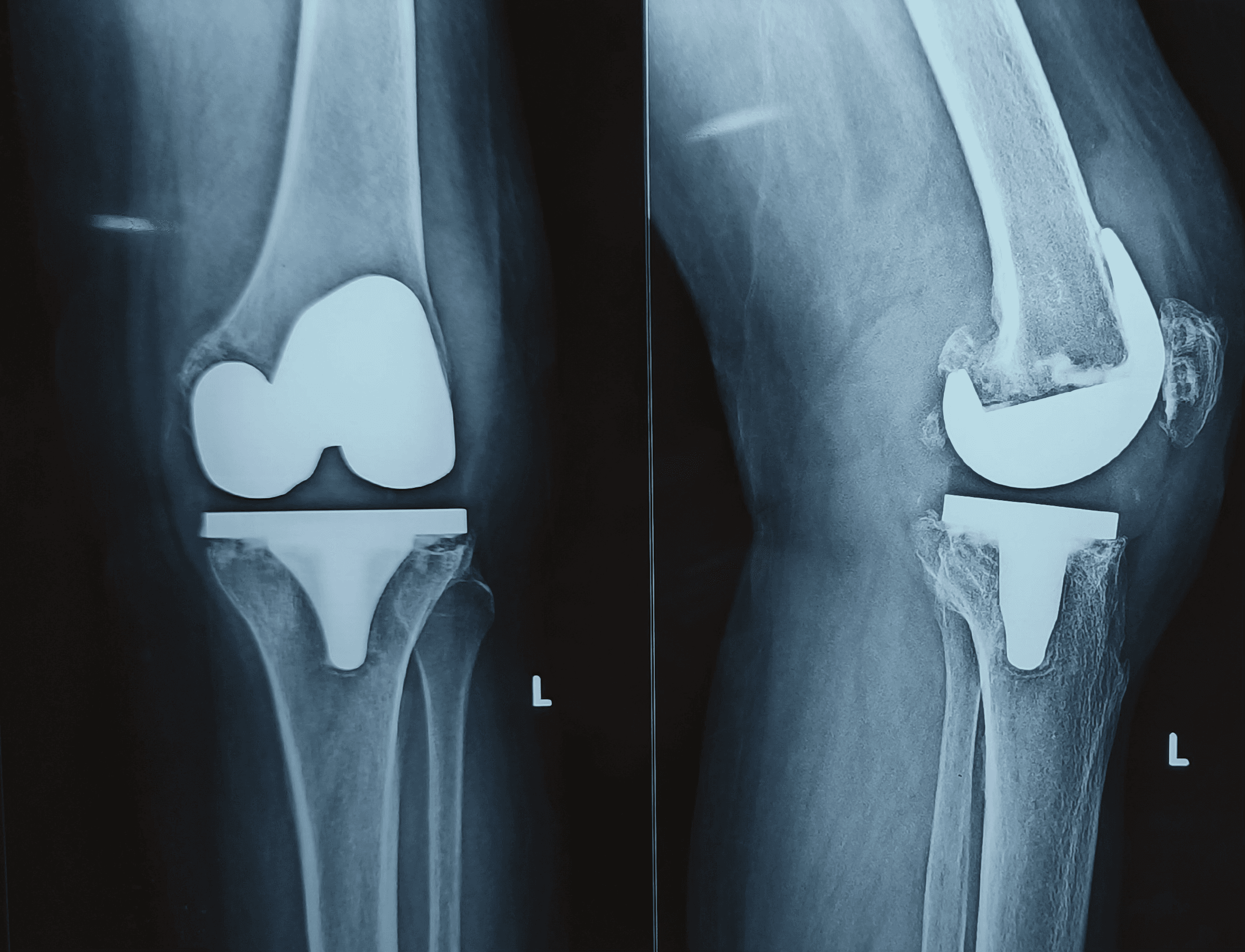
Pre-operative x-ray
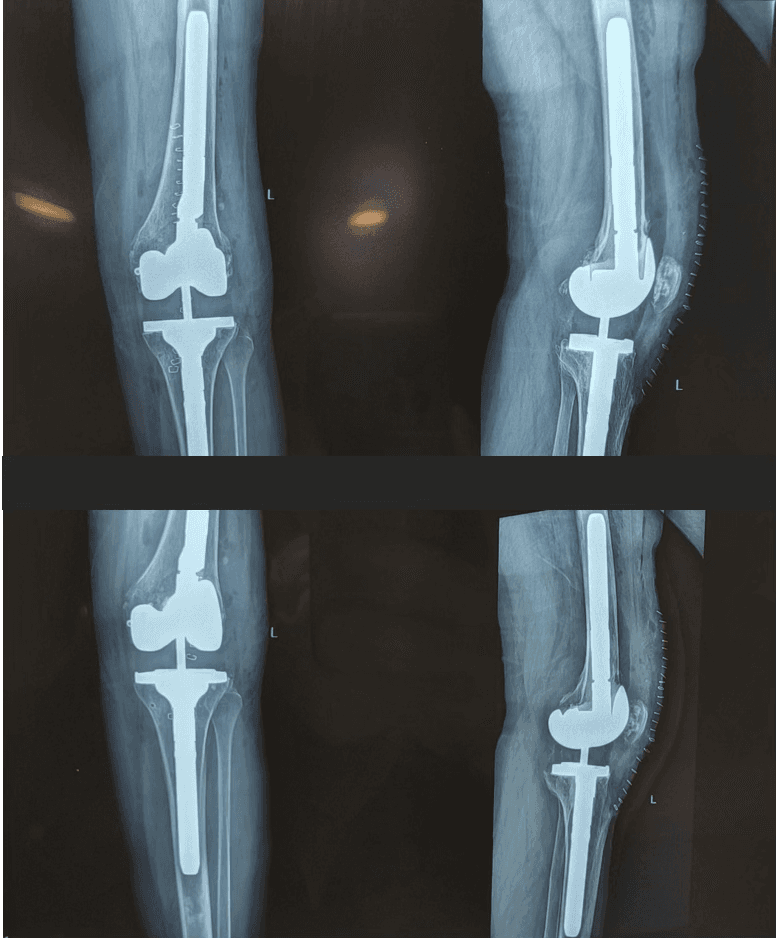
Post-operative x-ray
Condition:
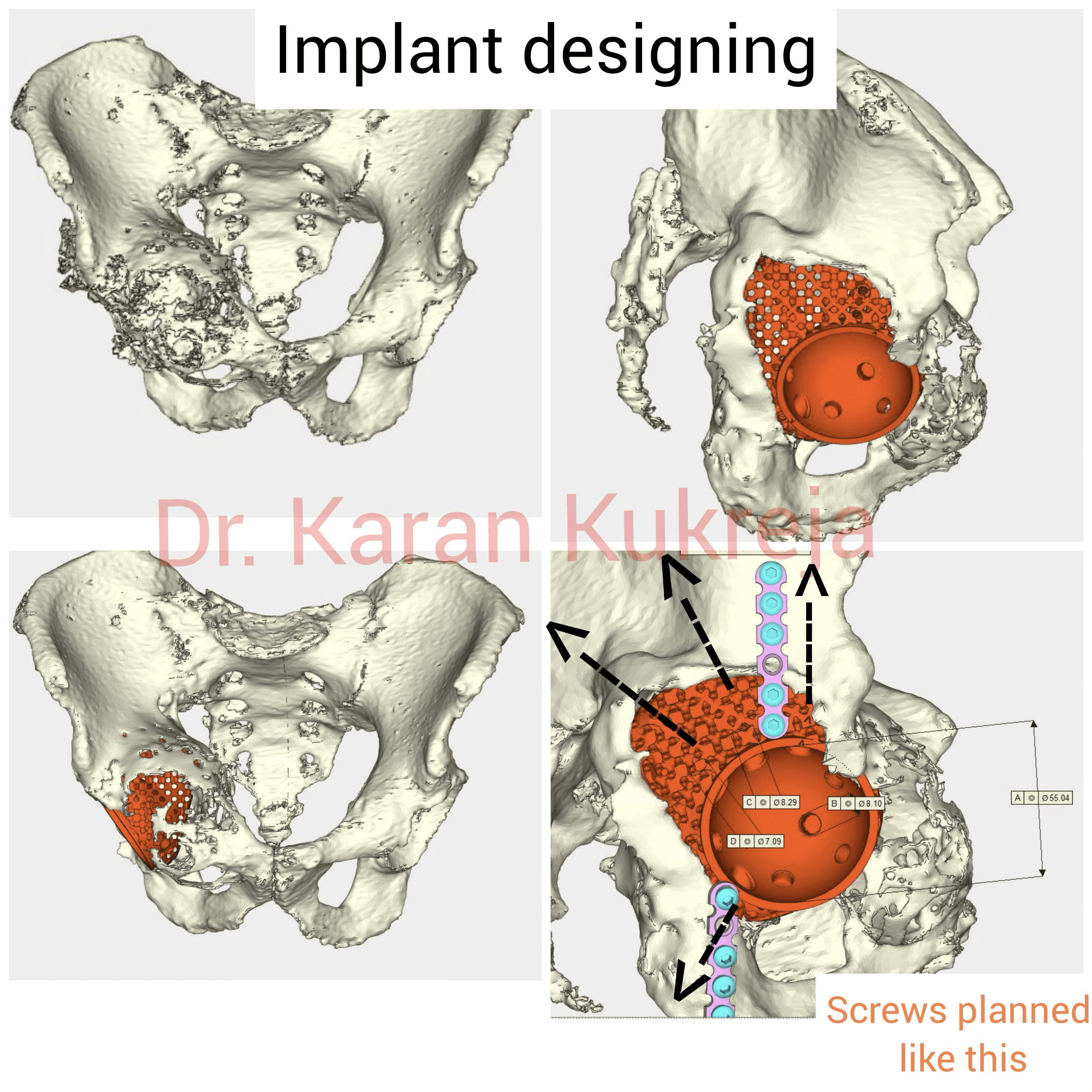
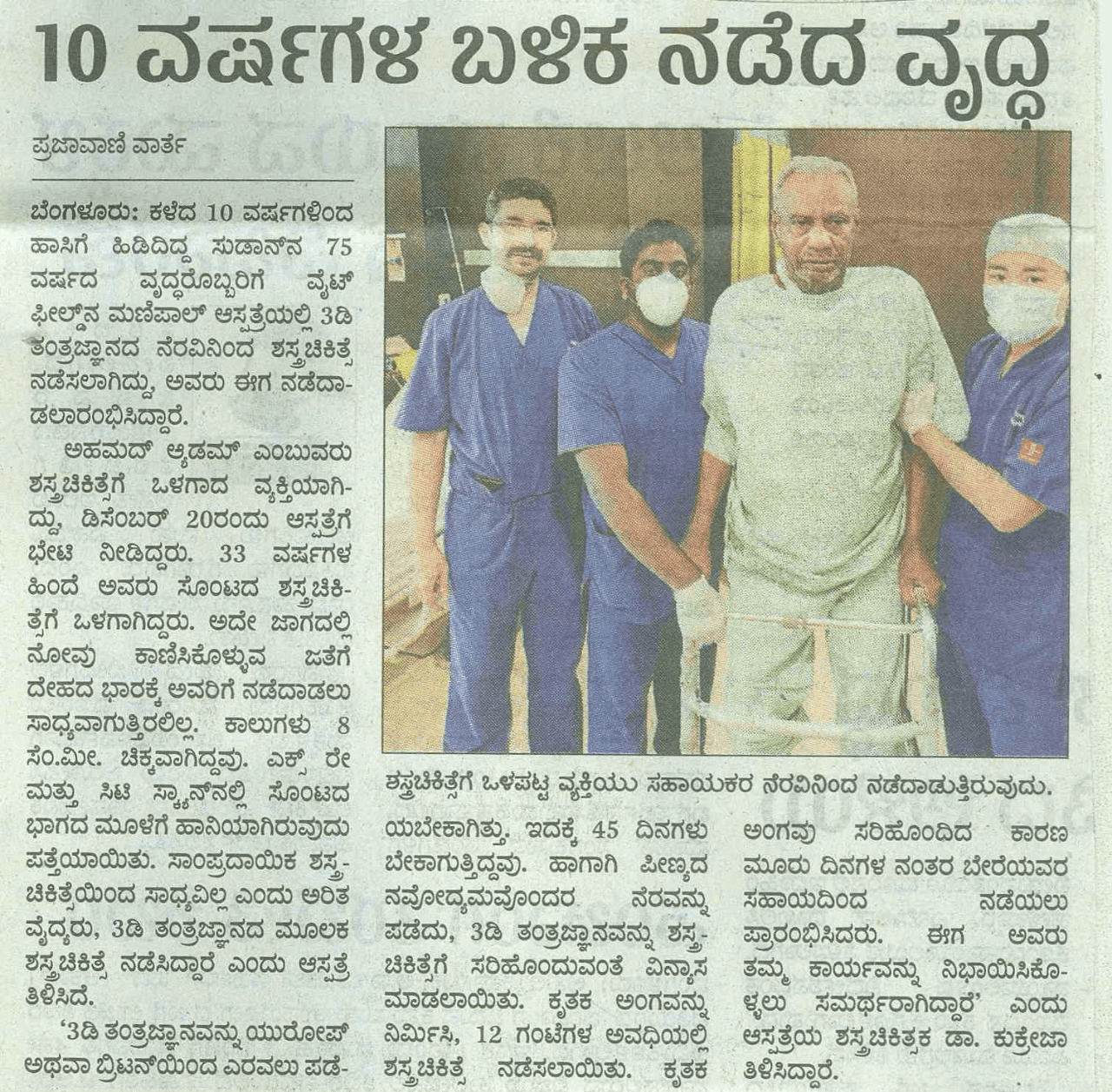
65-year-old male from Africa with severe right hip pain for 10 years and inability to walk. History of hip replacement in London 30 years ago for post-traumatic arthritis.
Diagnosis:
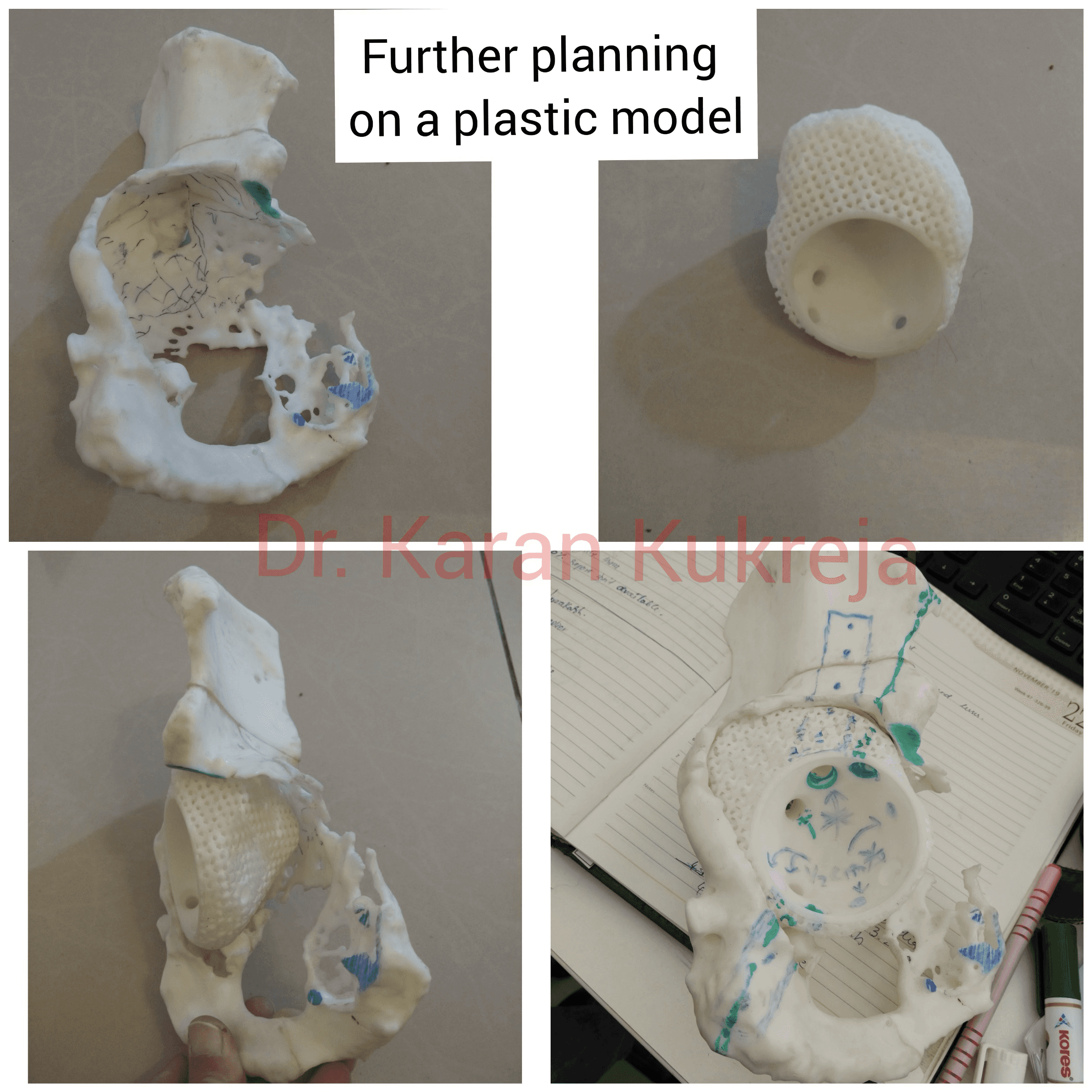
Failed hip replacement with implant loosening and massive pelvic defect due to osteolysis.
Reatment Summary:
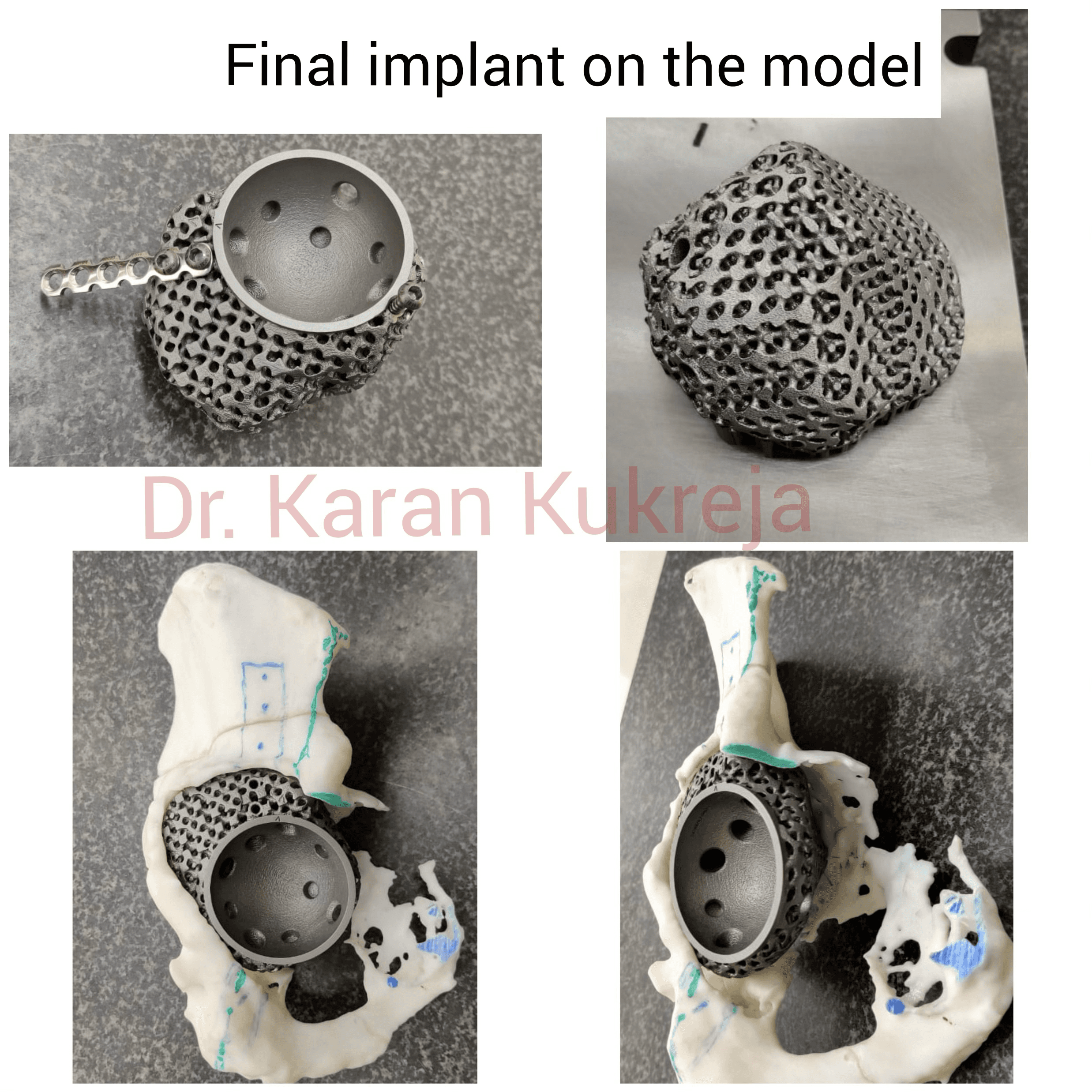
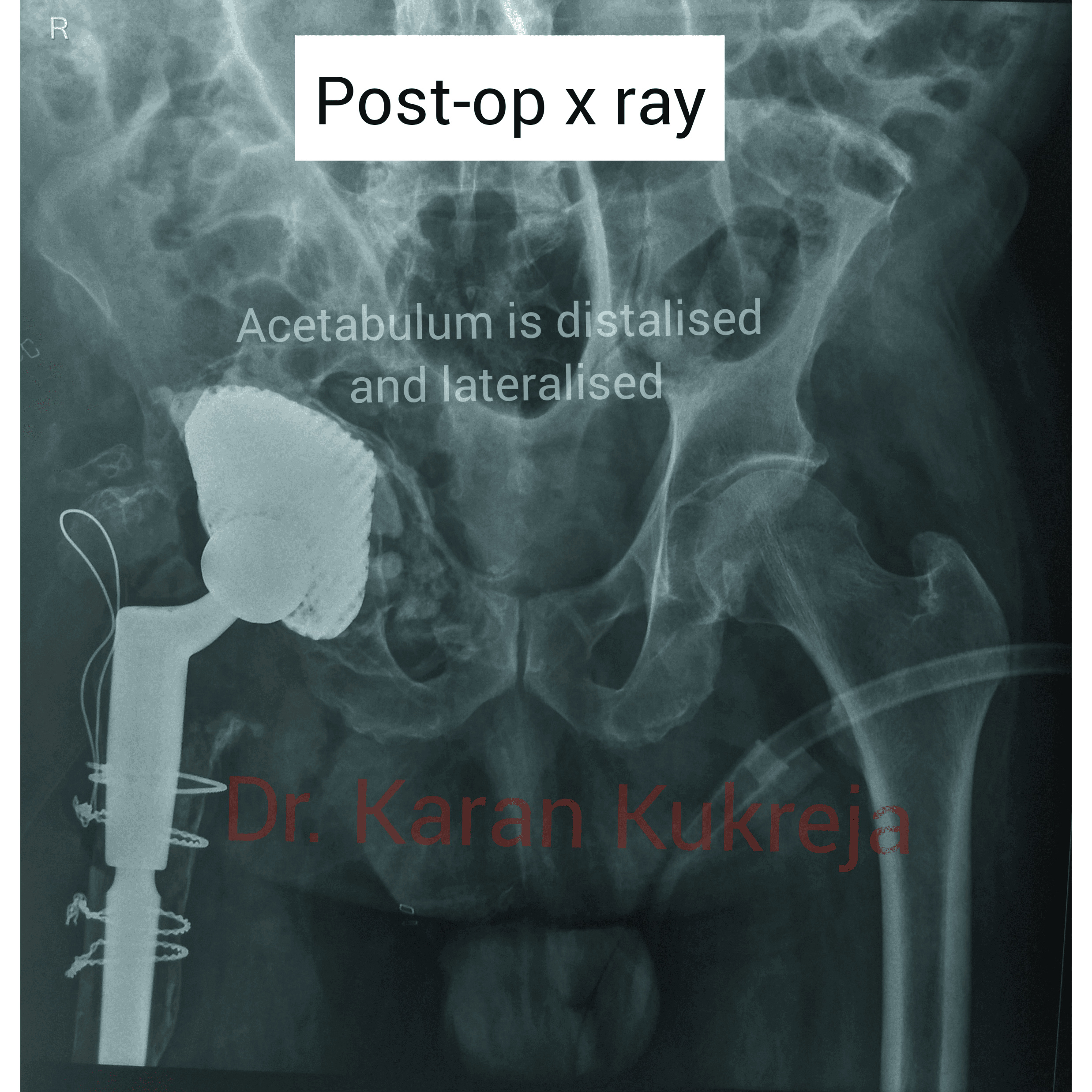
Underwent revision hip replacement using a custom 3D-printed augment to achieve perfect fit, alignment, and preservation of bone stock.
Outcome:
Restored hip stability, pain relief, and improved mobility with long-term preservation of bone.
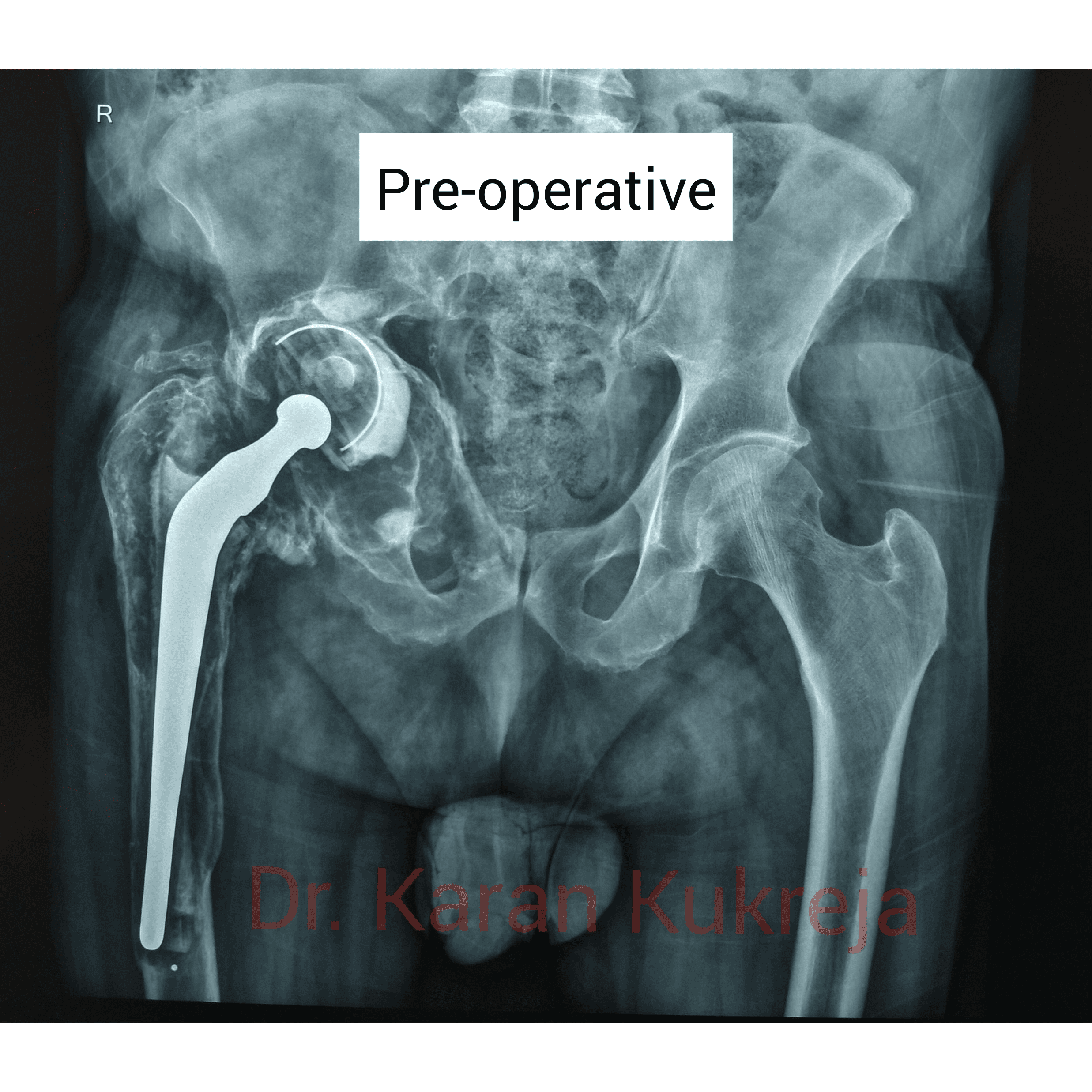
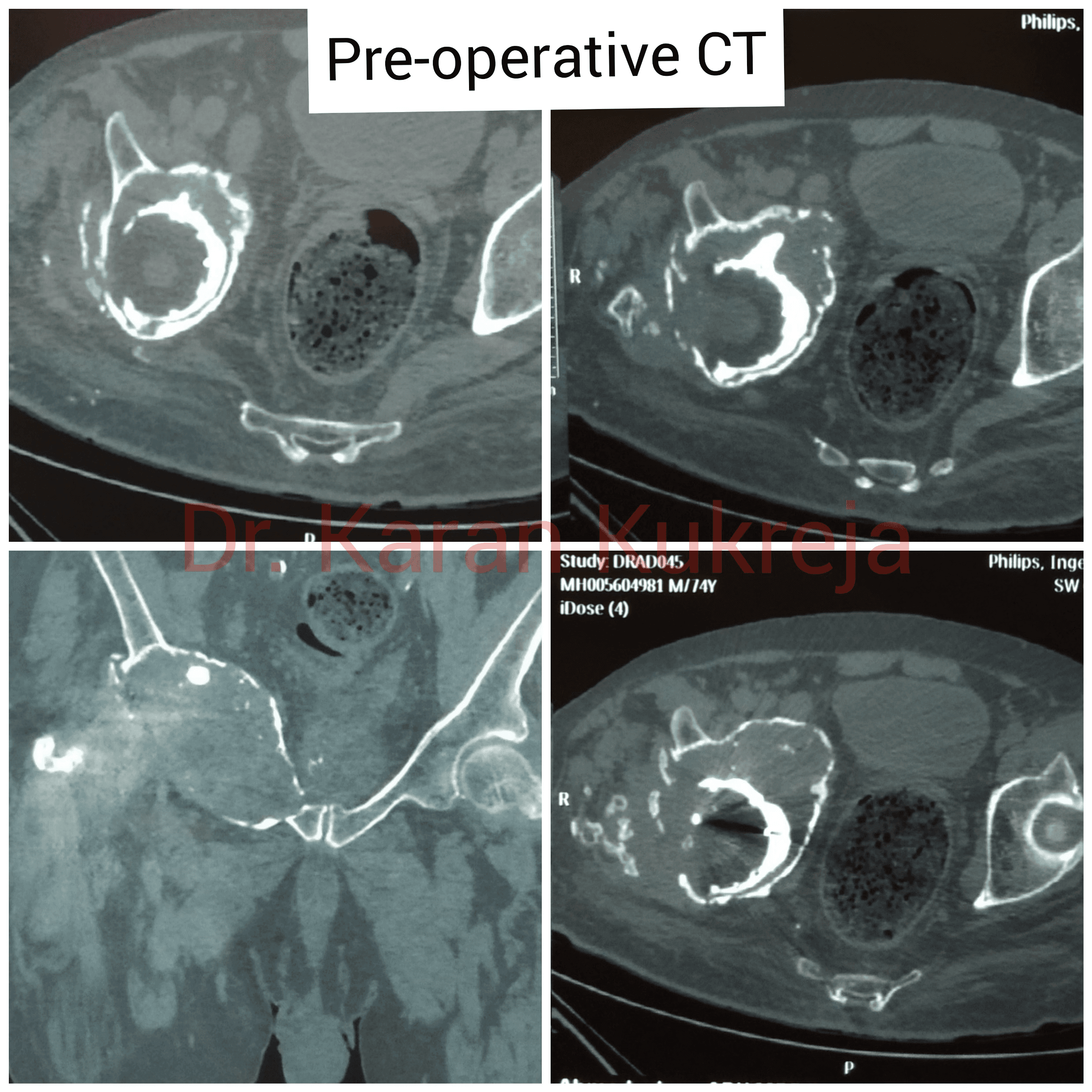
Video 1
Typical walking pattern in a patient with severe knee arthritis.
Video 2
Typical walking pattern a few months after bilateral knee replacement surgery, following proper rehabilitation (different patient).