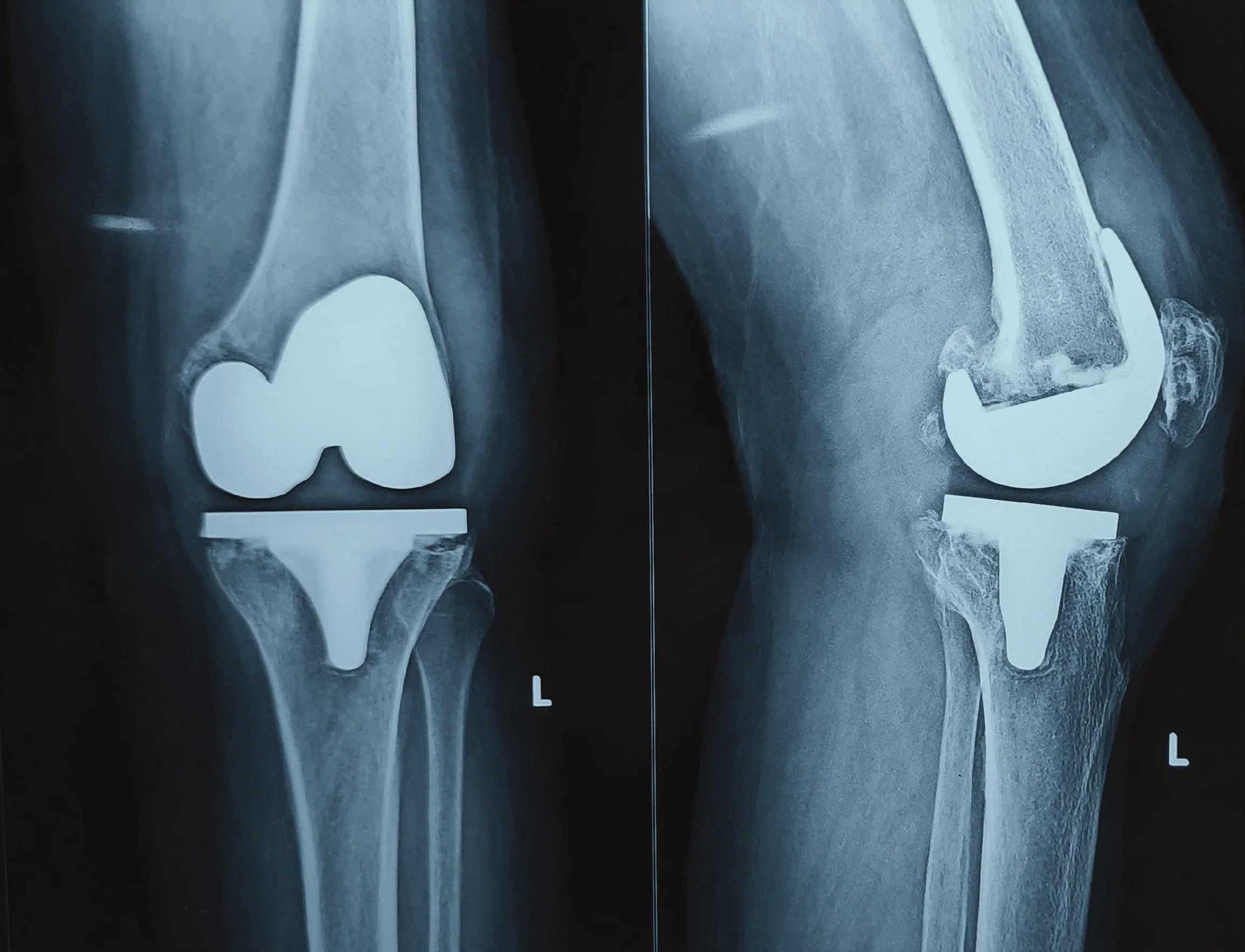
Knee pain that slowly takes over everyday life is one of the most common reasons people visit an orthopaedic surgeon. Many patients wait years because they are unsure whether surgery is really needed. Here is a simple way to think about it.
Signs it may be time to consider surgery
- Pain that persists at rest or wakes you at night.
- Difficulty walking short distances, climbing stairs or getting up from a chair.
- Visible stiffness, swelling or a knee that bows inwards or outwards.
- Little or no lasting relief from medicines, injections or physiotherapy.
What an assessment involves
A careful examination and weight-bearing X-rays show how much of the joint cartilage has worn away. Further tests are only advised when they will change the treatment plan. The aim is to match the treatment to the person, not just to the scan.
Options before replacement
In earlier stages, weight management, strengthening exercises, walking aids and targeted injections can reduce pain and delay surgery. When these no longer help, a knee replacement replaces the damaged surfaces with smooth implants and is one of the most reliable operations in orthopaedics.
What recovery looks like
Most patients are encouraged to stand and walk with support on the day after surgery. Physiotherapy begins immediately, and many people return to light daily activities within a few weeks. Your surgeon will tailor the plan to your age, health and goals.
Not sure where you stand? A consultation can help you understand your options and decide the right moment, without any pressure to operate.