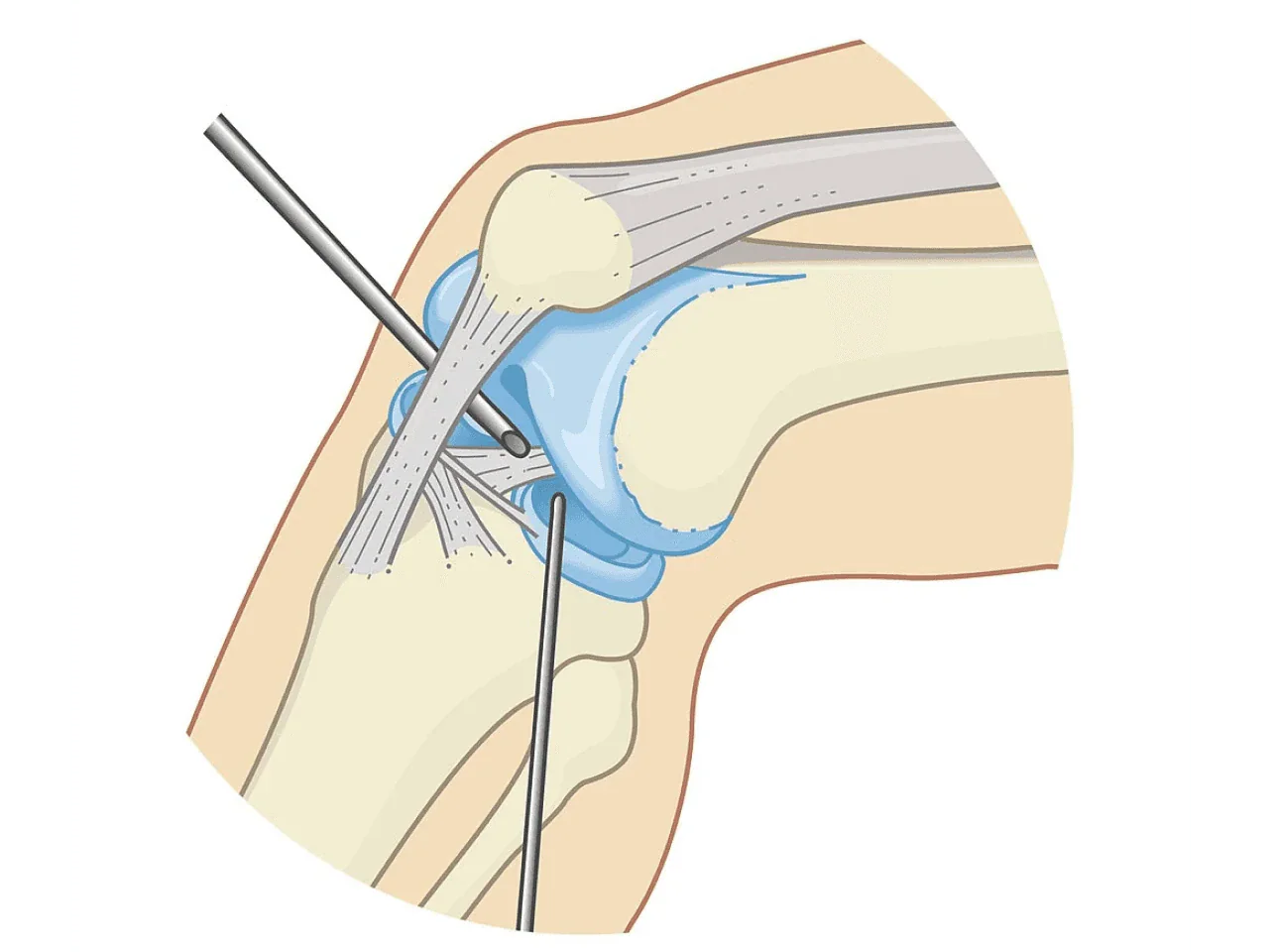
Whether you play cricket on weekends or train every day, a twisted knee or a painful shoulder can stop you in your tracks. Arthroscopy, often called keyhole surgery, lets surgeons diagnose and treat many of these injuries through very small incisions.
What is arthroscopy?
A thin camera is passed into the joint through a small cut, and fine instruments are used through other small openings. The surgeon sees the inside of the joint on a screen and repairs the problem with minimal damage to the surrounding tissues.
Common problems treated
- ACL and other ligament injuries of the knee.
- Meniscus tears that cause locking, catching or swelling.
- Shoulder instability, rotator cuff tears and impingement.
- Loose fragments of cartilage or bone inside a joint.
Benefits compared with open surgery
Smaller incisions usually mean less pain, lower risk of wound problems and an earlier start to rehabilitation. Many patients go home the same day or the next morning.
Recovery and getting back to sport
A structured physiotherapy programme is as important as the operation itself. Returning to sport is guided by strength, stability and confidence in the joint, not only by the calendar. Following your rehabilitation plan closely gives the best chance of getting back safely.
If an injury is not settling with rest, early assessment helps protect the joint and avoid long-term damage.